
Viewnyvex
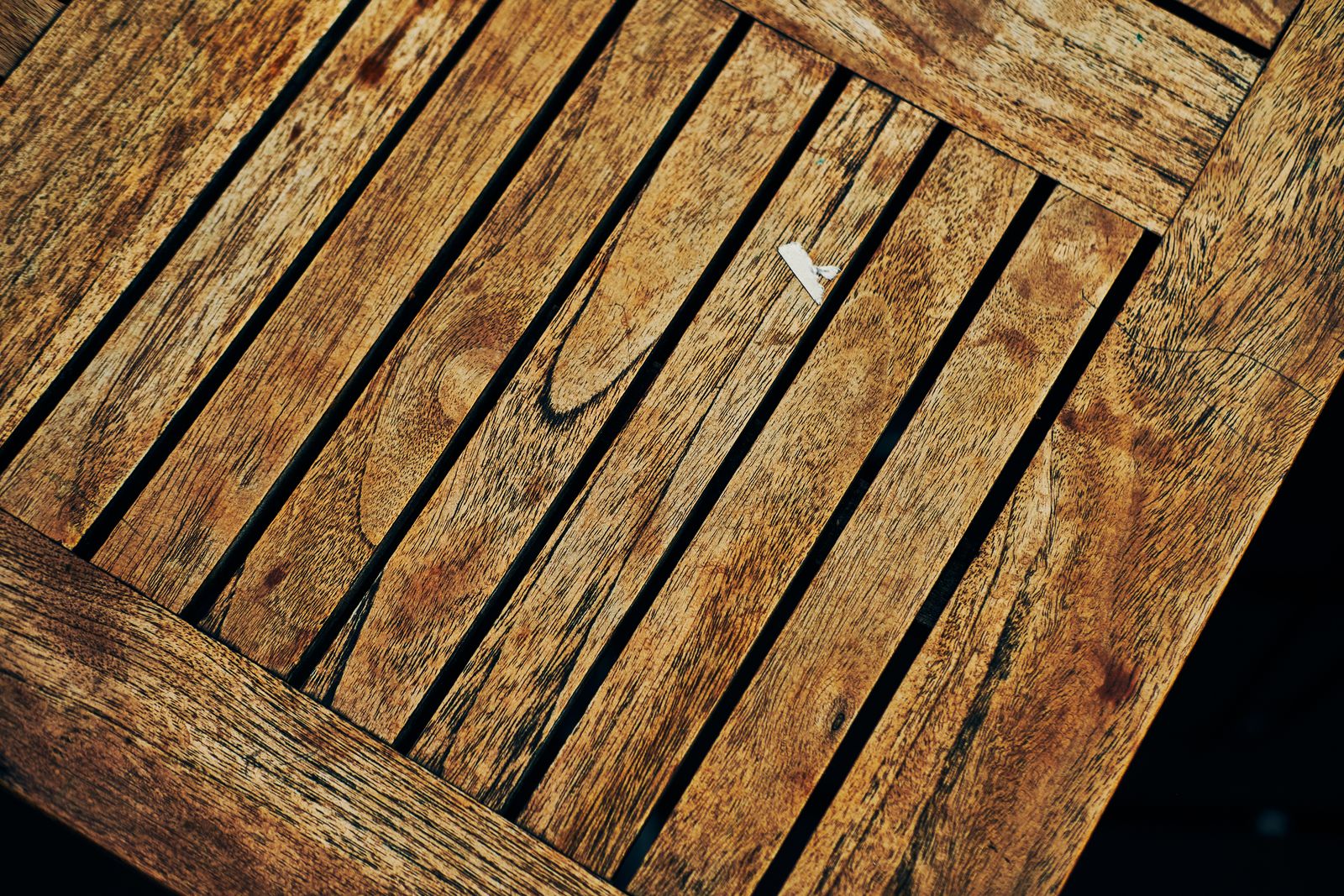
We select solid domestic hardwoods with rich natural grain patterns for every single build.
Each piece receives a hand-rubbed finish that protects the wood while keeping it tactile and warm.
Traditional joinery techniques ensure structural stability without relying on metal brackets or synthetic fillers.
We provide direct guidance on long-term maintenance so your furniture ages gracefully in any climate.
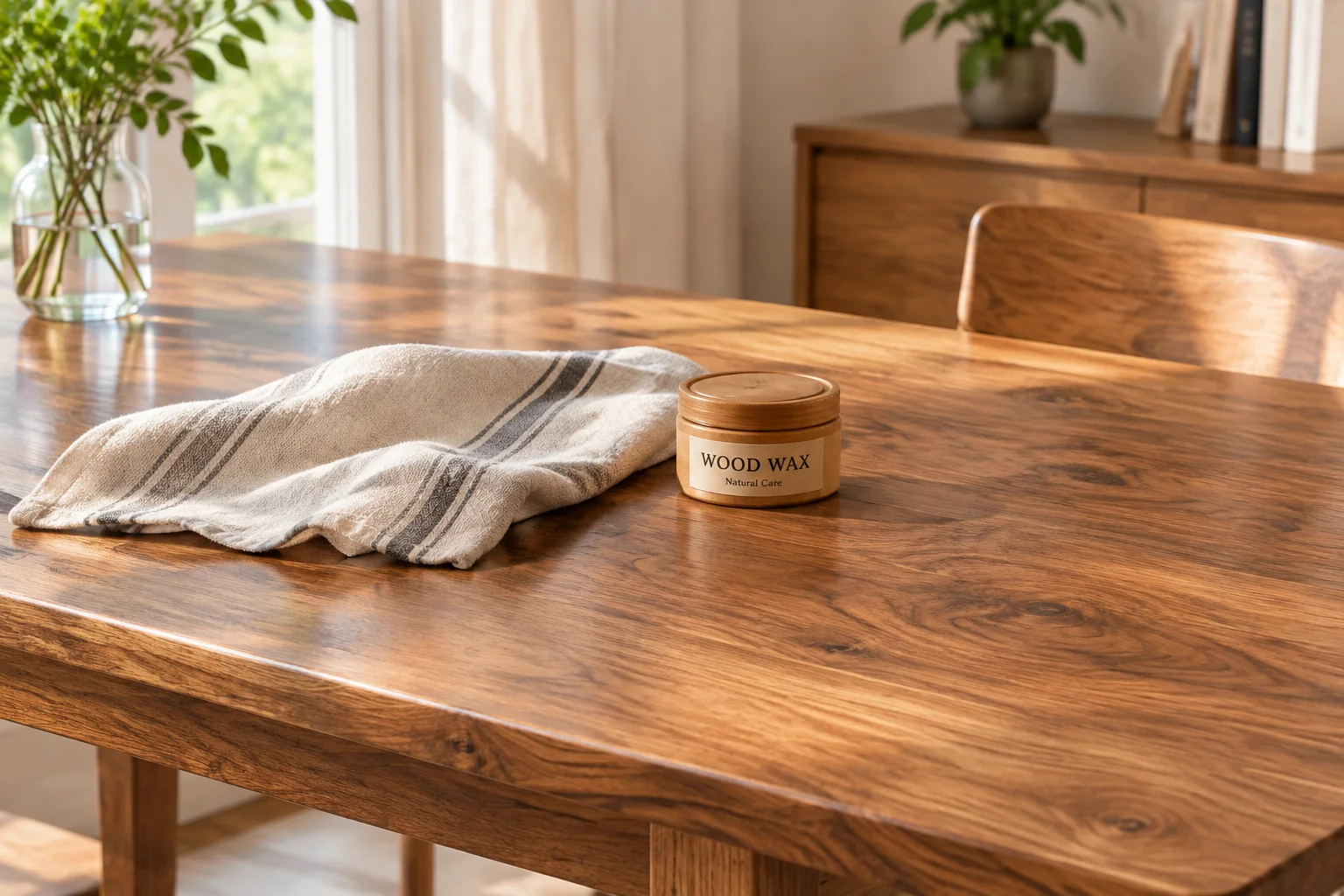
A handmade wooden table is not a static object. It is made from a material that once grew in the forest, and that organic origin means it keeps responding to its surroundings long after it leaves the workshop. Real wood breathes, absorbs moisture from the air, and slowly adapts to the temperature of your living room or kitchen. Treating this kind of furniture requires a shift away from harsh household chemicals and toward simple, consistent habits.
When you bring a solid wood piece into your home, you invite a living surface into your daily routine. Cups will be slammed down, homework will be spread across the grain, and dinner parties will leave behind the occasional spill. None of these normal events should ruin a sturdy tabletop, provided you know how to handle them without panicking.
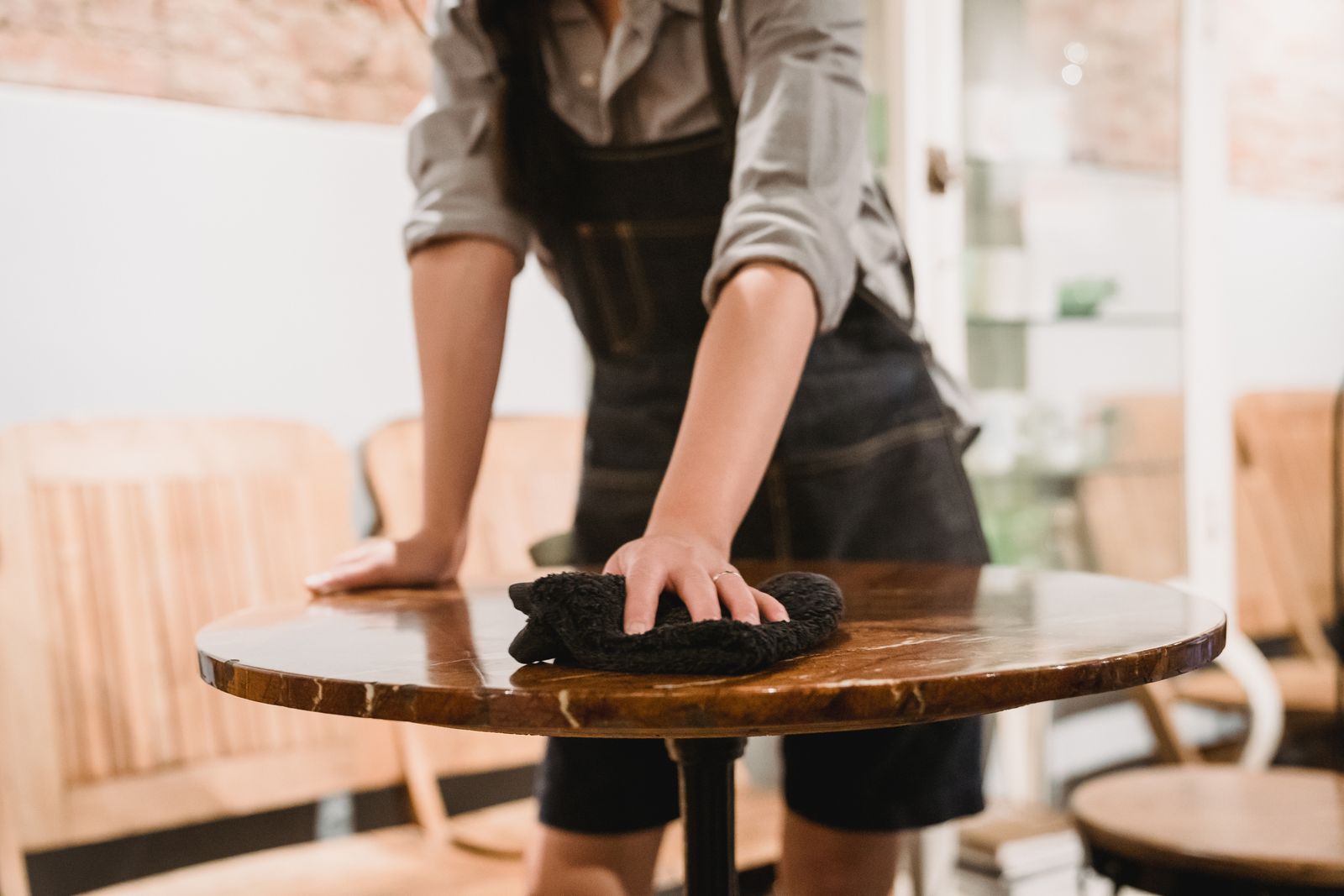
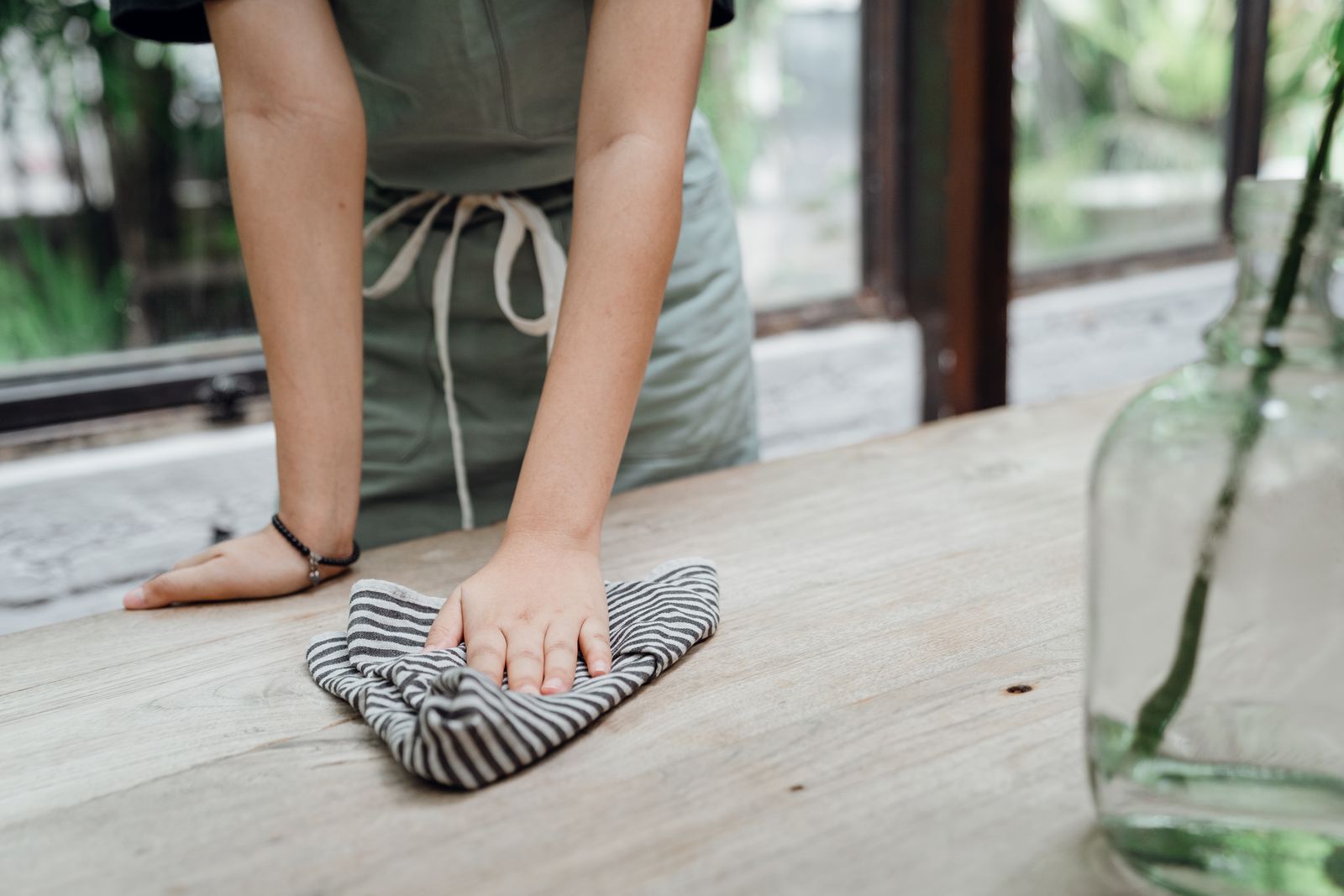
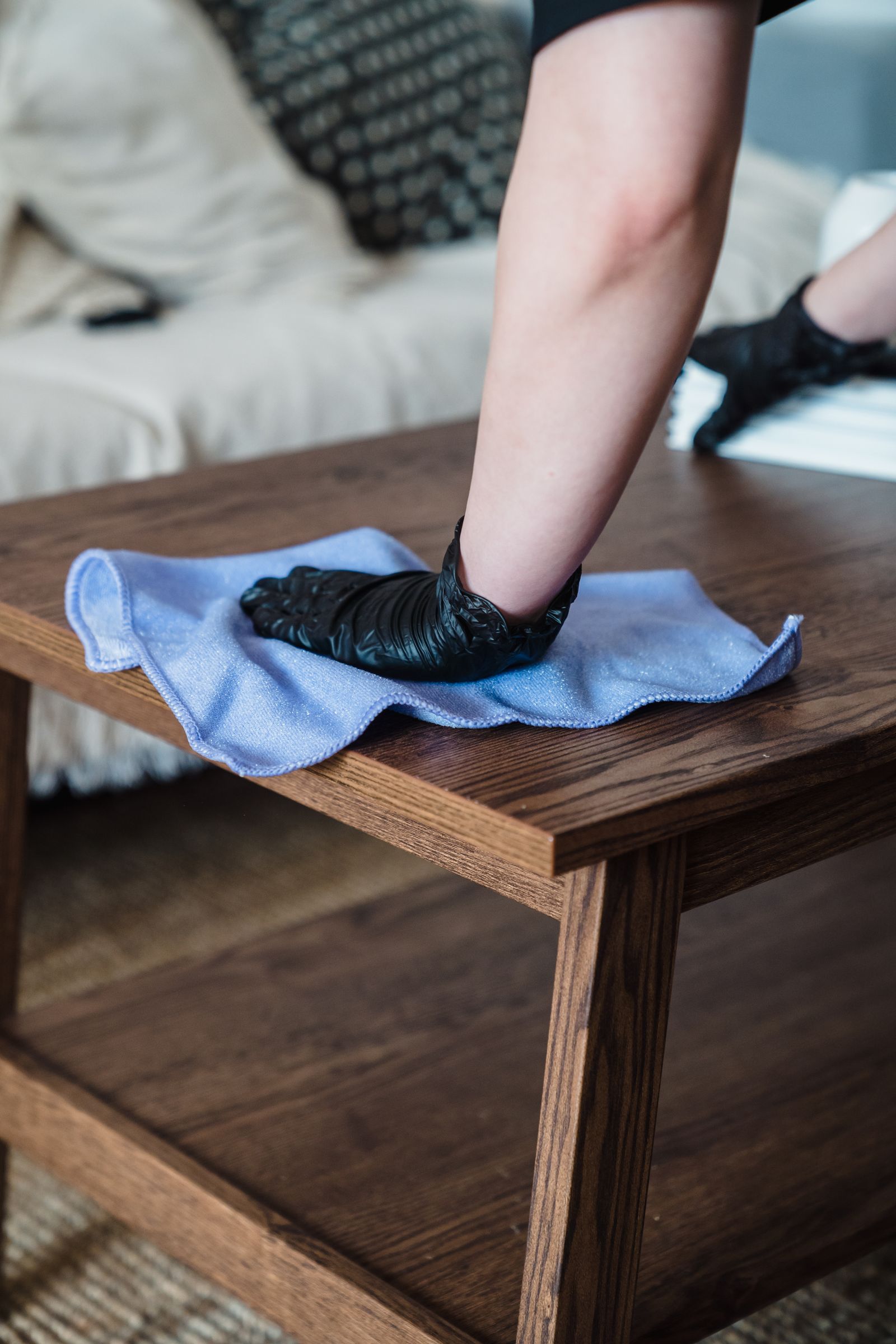
Dust settles on wood just as it settles on glass or plastic, but abrasive cloths can leave tiny scratches in the protective oil or wax. Grab a soft cotton rag or a microfiber cloth for your daily wipe-down. Run it lightly across the surface to catch crumbs and dust before they get ground into the grain by someone resting an arm on the table.
When a meal ends and sticky spots remain, avoid all-purpose kitchen sprays that contain bleach or ammonia. Those harsh solvents dissolve the natural oils sealing the pores of the wood. Instead, dampen your cloth with warm water and a tiny drop of mild dish soap. Wring the cloth out thoroughly so it is merely damp, not dripping, and wipe the area clean. Follow up immediately with a dry towel to remove any lingering moisture.
Wood and water have a complex relationship. While a finished tabletop can easily handle a quick splash, standing liquid is the enemy. Water left sitting overnight will sneak through microscopic cracks in the finish and raise the grain, leaving a pale, cloudy ring behind. Wipe up spills the moment they happen rather than waiting until after dinner.
Heat poses an equally stubborn challenge. Placing a hot ceramic mug or a steaming casserole dish directly onto a wooden surface shocks the finish and can darken the timber underneath. Always keep a stack of cork mats or fabric placemats within arm reach. Here is what you should keep on hand to protect the surface:
As winter gives way to spring and summer turns into autumn, the air in your home changes. Indoor heating dries out the atmosphere in January, causing wooden boards to shrink slightly and microscopic gaps to appear between planks. When summer humidity arrives, the timber absorbs that moisture from the air and swells back up.
This natural expansion and contraction is completely normal for solid timber. Do not try to force the wood to stay still by placing it in a room with extreme climate swings. Keep your handmade table away from direct heat vents, wood-burning stoves, and drafty window sills. A stable indoor climate keeps the wood moving gently rather than warping under sudden stress.
Even with careful daily habits, the surface of a wooden table eventually starts to look a bit dry, especially around the spots where people sit most often. Sunlight streaming through a nearby window bleaches the stain over the years, giving the timber a lighter, softer patina that tells the history of your family.
Reviving that dry look takes an afternoon and a jar of natural wood balm. Apply a small amount of paste wax or hardening oil to a clean rag, then work it into the grain using circular motions. Let the wax sit for twenty minutes so the pores can drink it in, then buff the entire surface with a fresh cloth until it feels smooth and satiny to the touch. This simple ritual feeds the fibers and prepares the table for the next chapter of daily use.

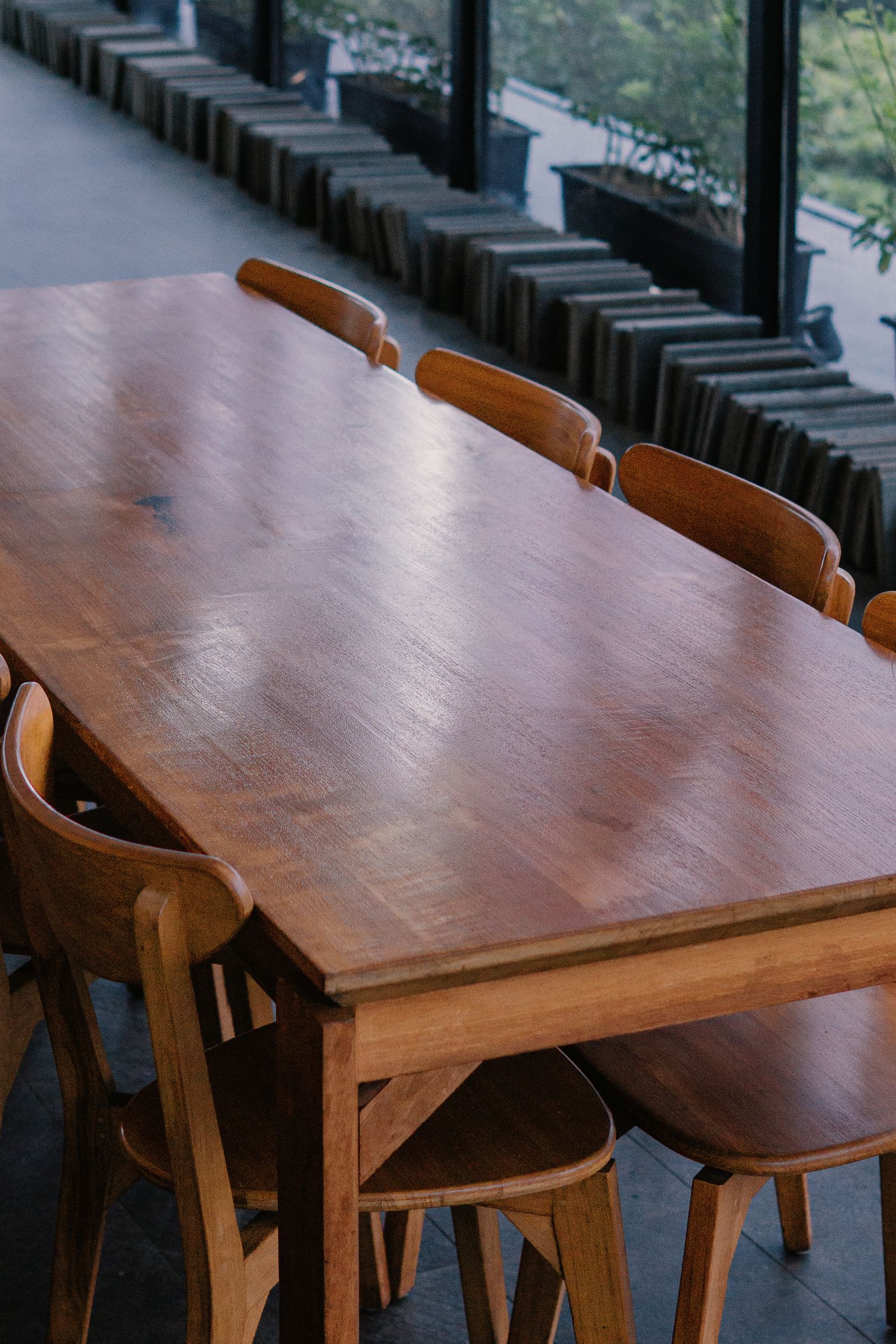
We measure our progress through careful craftsmanship and the lasting satisfaction of the people who use our furniture every day.
49395
Over a decade crafting
72485
Hundreds of custom tables
22919
Zero synthetic veneers
11920
Sustainable local timber

Master Woodworker

Lead Finisher

Design Director

Workshop Assistant
The table arrived securely packaged and the walnut grain looks even better in person. Cleaning it is straightforward, and it has already survived a couple of accidental coffee spills without leaving any marks.

Charles Cooper
Eating dinner on this table feels like a daily treat. The surface has a soft matte feel instead of that shiny plastic coating you find on factory furniture, and wiping it down takes just a damp cloth.

Grace Sterling
I was worried about keeping a solid wood surface in our dry winter climate, but following the basic humidity advice kept the top completely flat. It feels solid and well-balanced under the elbows.

Daniel Foster
We wanted something durable for our family kitchen that would look better with age. The oak surface handles daily prep work wonderfully, and the simple maintenance routine fits right into our evening cleanup.

Hannah Brooks